
Argentine Grill Plans: A Comprehensive Guide
Discover detailed plans and resources for building your own parrilla! Online forums and fabrication sites offer PDF guides, aiding DIY enthusiasts in crafting authentic Argentine grills.
Understanding the Argentine Parrilla
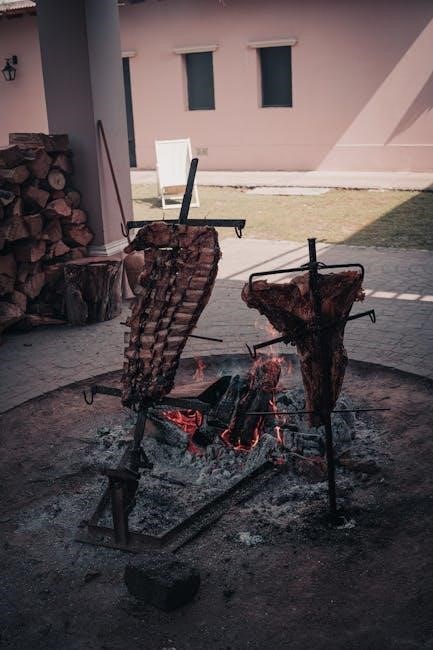
The Argentine parrilla represents more than just a grill; it’s a cultural centerpiece, embodying a tradition of communal cooking and social gatherings; PDF plans readily available online showcase the core principles of this design. These plans emphasize indirect heat, achieved by suspending the meat above the embers, rather than direct flames.
Authentic parrillas feature a large grilling surface, or asado, and a robust system for raising and lowering the grate to control cooking temperature. Many designs incorporate a basket system for containing the wood or charcoal, allowing embers to fall below. Resources highlight the importance of firebrick construction for heat retention and durability. Exploring these PDF resources reveals the nuances of this time-honored grilling method, enabling builders to replicate its functionality and spirit.
Key Features of Argentine Grills
Argentine grills, detailed in numerous PDF plans, distinguish themselves through several key features. A prominent characteristic is the V-shaped grate, designed to cook meat evenly over the embers. The adjustable grilling surface, often operated by a crank mechanism, is crucial for precise heat control.
PDF guides consistently illustrate the importance of a substantial firebox or ember basket below the asado. This allows for efficient burning of wood or charcoal and easy removal of ash. Many plans incorporate firebrick lining for superior heat retention. Stainless steel construction is also popular, offering durability and ease of cleaning. These plans emphasize robust construction and functionality, reflecting the grill’s intended use for large-scale asados.
Materials Commonly Used in Construction
PDF plans for Argentine grills frequently detail material lists centered around durability and heat resistance. Stainless steel is a favored choice for the grilling surface and frame, offering longevity and preventing rust. However, many traditional designs, as shown in available PDF resources, utilize a combination of robust iron and firebrick.
Firebrick is essential for lining the firebox, retaining heat and protecting the structural steel. Iron piping is often incorporated for the crank mechanism, enabling height adjustment. Detailed PDF guides often specify gauge thicknesses for steel and the type of firebrick required. The selection of materials impacts both the cost and the longevity of the finished parrilla, with stainless steel generally representing a higher initial investment.
Stainless Steel Argentine Grills
PDF plans showcasing stainless steel parrillas emphasize corrosion resistance and a sleek aesthetic. These designs, often found online, typically involve fully welded construction for strength. Stainless steel grilling surfaces are highlighted for their ease of cleaning and food-safe properties;
While more expensive upfront, stainless steel grills require less maintenance than those built with iron. PDF guides detail specific stainless steel grades recommended for high-heat applications. Some plans incorporate stainless steel baskets for ember management, offering durability and ease of shaking. The all-stainless construction, as shared on grilling forums, provides a modern take on the traditional Argentine grill, appealing to those seeking a long-lasting, low-maintenance option.
Firebrick and Iron Construction
PDF plans frequently detail traditional Argentine grill construction using firebrick and iron. These guides emphasize firebrick lining on three sides, creating an insulated cooking chamber. Iron piping often forms the structural frame, supporting the grilling surface. Many plans include external cranks with chain mechanisms, detailed in PDF schematics, for precise height adjustment of the asado.
Forno Bravo forums showcase examples where firebrick is finished to blend with existing outdoor ovens. PDF resources highlight the importance of proper firebrick mortar for heat retention. This construction method, while requiring more labor, offers excellent thermal mass and a classic aesthetic, often favored by those seeking an authentic grilling experience.
Design Considerations for DIY Argentine Grills
PDF plans for DIY Argentine grills necessitate careful design considerations. Grill size and capacity are paramount, influencing material quantities and structural integrity. Plans often present various dimensions to accommodate different cooking needs. Height adjustment is a key feature; PDF guides detail crank systems and mechanisms for raising and lowering the grilling surface.
Consider the intended fuel source – wood or charcoal – as this impacts airflow and ember management. Detailed PDF schematics illustrate basket systems for embers and shaking mechanisms for heat control. Successful builds require a balance between robust construction, efficient heat management, and user-friendly operation, all clearly outlined in comprehensive plans.
Grill Size and Capacity
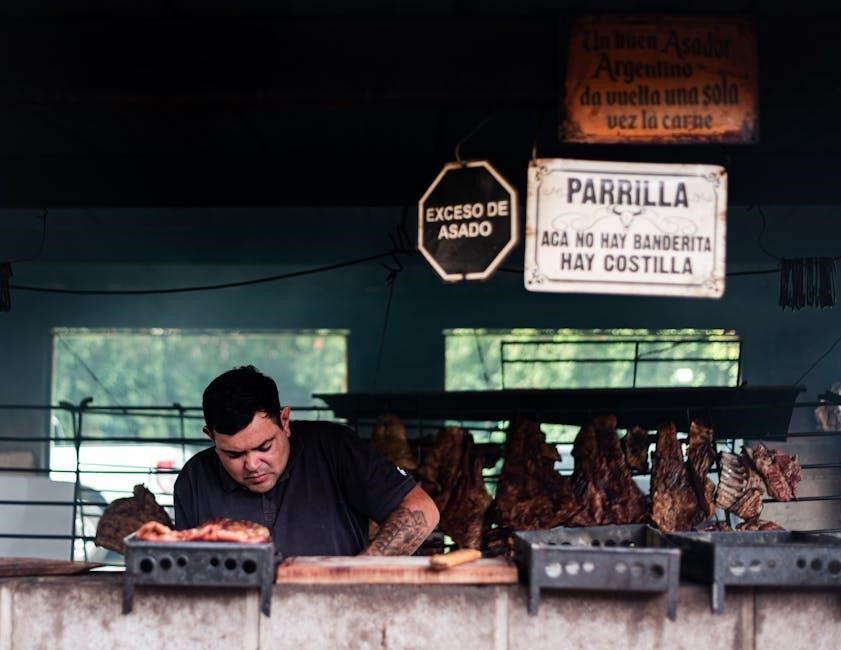
PDF Argentine grill plans frequently offer multiple size options, impacting cooking capacity. Smaller grills suit intimate gatherings, while larger designs cater to larger asados. Capacity is determined by grilling surface area, influencing the amount of meat cooked simultaneously.
Plans detail dimensions for the grilling surface (asado) and overall grill footprint. Consider available space and anticipated usage when selecting a size. PDF guides often include calculations for material quantities based on chosen dimensions. A well-chosen size ensures efficient cooking and comfortable operation, maximizing the enjoyment of your homemade parrilla.
Height Adjustment Mechanisms
PDF Argentine grill plans commonly feature height adjustment systems for precise heat control. These mechanisms allow you to raise or lower the asado closer to or further from the embers. A frequent design utilizes an external crank connected to a chain, effortlessly moving the grilling surface.
Detailed plans illustrate crank installation and chain routing. Some PDF guides showcase alternative lever systems. Accurate height adjustment is crucial for searing, slow-cooking, and maintaining consistent temperatures. Properly implemented, these mechanisms ensure optimal cooking results, mirroring the versatility of traditional Argentine parrillas.
Fuel Options: Wood and Charcoal
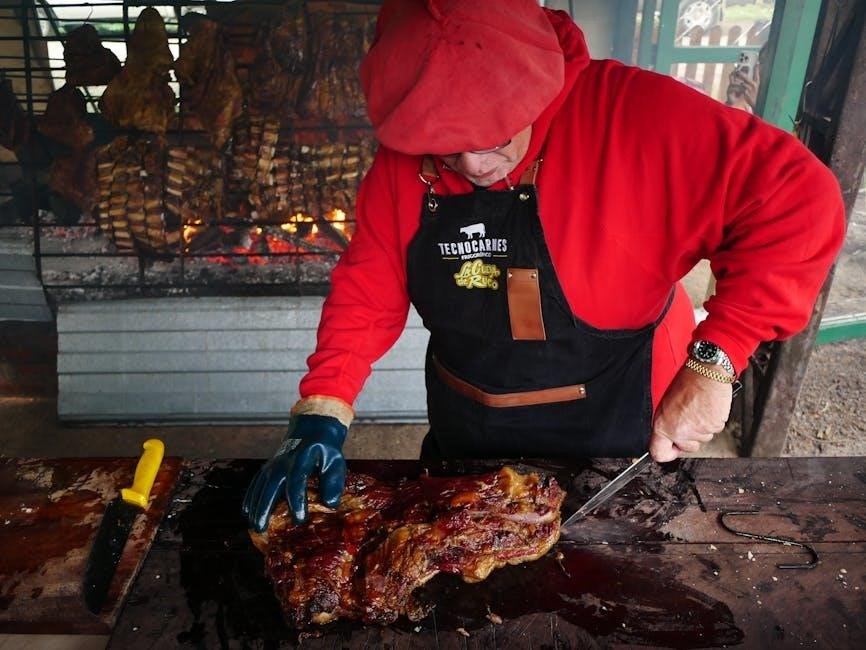
PDF Argentine grill plans acknowledge the traditional use of both wood and charcoal as fuel sources. Many designs accommodate either, or a combination of both, for nuanced flavor profiles. Wood imparts a smoky aroma, while charcoal provides consistent heat.
Plans often detail ember basket dimensions optimized for efficient wood or charcoal burning. Some PDF resources suggest specific wood types – like quebracho – for authentic Argentine flavor. The grill’s design should facilitate airflow for optimal combustion. Understanding fuel characteristics, as outlined in these plans, is key to mastering the art of asado.
Embers and Heat Control
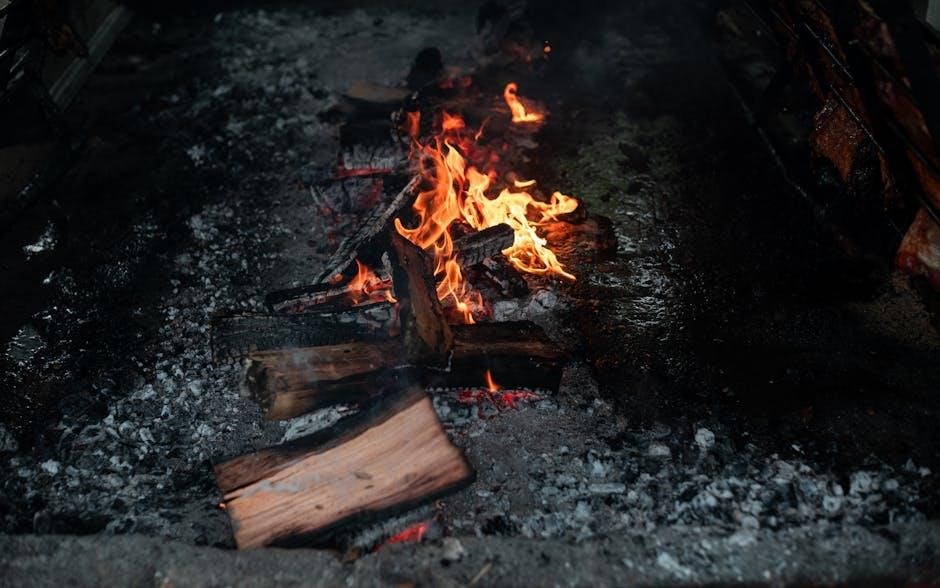
PDF Argentine grill plans heavily emphasize ember management for precise heat control. A core feature is the ember basket system, detailed in many plans, where wood burns to create glowing embers. These plans illustrate how to shake the basket, rapidly dropping embers to the bottom for intense heat or spreading them for lower temperatures.
Detailed diagrams within these PDF guides showcase mechanisms for adjusting the grilling surface’s height above the embers. This allows cooks to fine-tune cooking temperatures. Proper ember distribution, as shown in the plans, is crucial for even cooking and achieving the perfect asado.
The Basket System for Embers
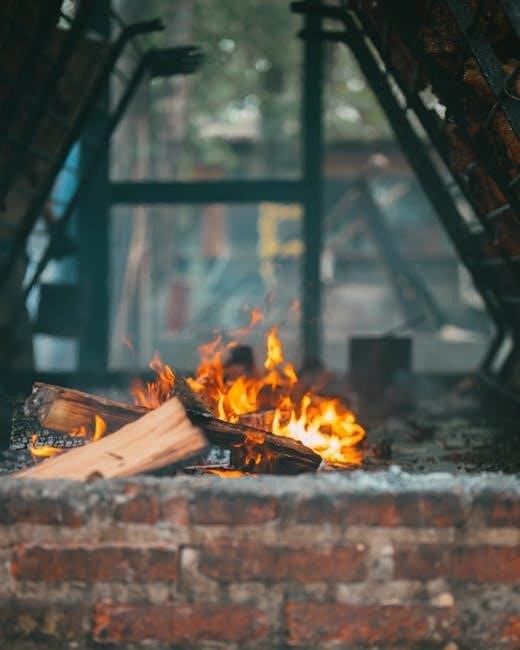
PDF Argentine grill plans consistently feature a robust basket system for containing and managing embers. These plans detail construction, often utilizing stainless steel or heavy-duty iron, designed to hold a substantial wood load. The basket’s design allows air circulation, promoting efficient combustion and creating hot, long-lasting embers.
Many PDF guides illustrate how wood is placed on top of the basket, burning down to embers that fall through to the grill’s base. This separation prevents direct flame contact with the meat, delivering that characteristic smoky flavor. Plans often include dimensions and welding specifications for building a durable and functional ember basket.
Shaking Mechanism for Embers
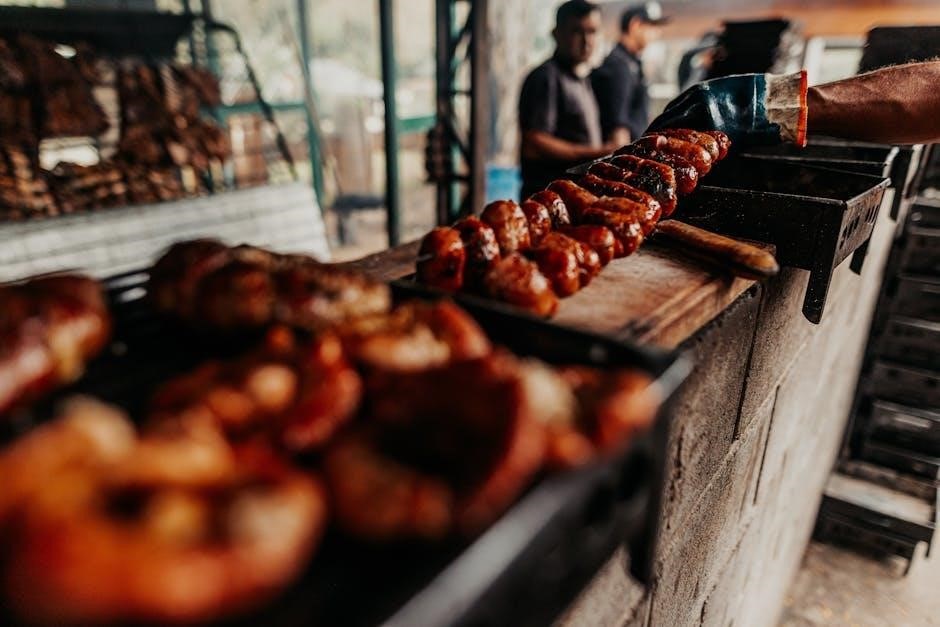
PDF Argentine grill plans frequently incorporate a shaking mechanism for efficient ember management. This crucial feature, often driven by an external crank, allows users to rapidly dislodge accumulated ash and embers. Detailed diagrams within these plans showcase the linkage between the crank, a shaking grate, and the ember basket.
The shaking action quickly moves embers to the bottom, creating a clean grilling surface and revitalizing the heat. PDF resources emphasize the importance of robust construction for this mechanism, utilizing iron piping and secure chain connections. Some plans detail how to build a system that allows for precise control over ember distribution, optimizing heat for different cooking needs.
Building a Basic Argentine Grill Frame
PDF Argentine grill plans typically begin with constructing a sturdy frame, often from steel angle iron or square tubing. These plans detail precise measurements for cutting and welding the frame components, ensuring structural integrity. Many PDF guides emphasize the importance of a level and stable base for safe operation.
Detailed drawings illustrate the frame’s dimensions, accommodating the grilling surface (asado) and the ember basket system. Some plans offer options for incorporating wheels for portability. PDF resources frequently include material lists, specifying the required steel gauge and welding techniques. Proper frame construction is foundational for a long-lasting and functional parrilla.
Constructing the Grilling Surface (Asado)
PDF plans for the asado, or grilling surface, commonly specify thick, flat steel bars welded together to create a robust cooking area. These plans detail the spacing between the bars, crucial for allowing embers to fall through and preventing food from falling into the fire.
Many PDF guides recommend using steel at least 3/8 inch thick for durability and heat retention. Detailed diagrams illustrate the welding pattern, ensuring a strong and even grilling surface. Some plans include options for adding a removable section for easier cleaning. Properly constructed, the asado provides an ideal surface for achieving authentic Argentine grilled flavors.
Integrating a Crank System for Height Adjustment
PDF plans frequently showcase a crank system utilizing an external crank, chain, and a robust frame to raise and lower the asado. These plans detail the precise placement of the crank mechanism and the chain’s routing for smooth operation.
Detailed schematics within the PDF guides illustrate how to fabricate the mounting points for the chain and the crank itself. Many designs incorporate bearings to minimize friction and ensure effortless height adjustments. The goal is precise heat control, allowing you to move the grilling surface closer to or further from the embers. Proper implementation, as shown in the plans, is key to successful temperature management.
Firebrick Installation and Finishing
PDF plans emphasize firebrick installation on three sides of the grilling chamber, providing crucial heat retention and insulation. These guides detail the proper mortar mix for high-temperature applications, ensuring a durable and safe construction.
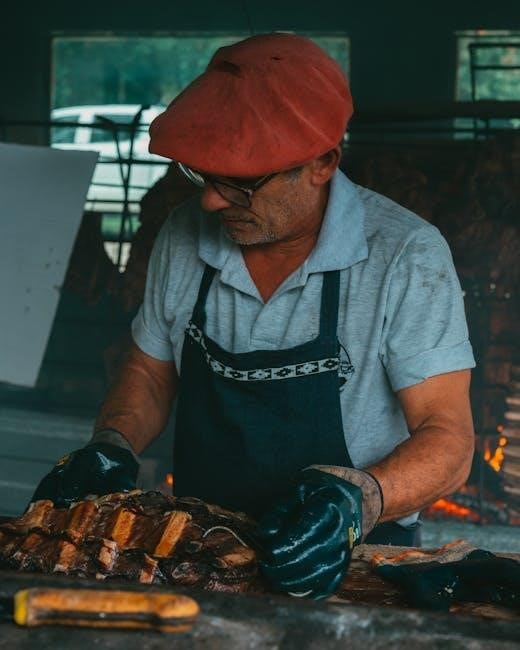
Many PDF resources suggest finishing the firebrick with a compatible coating to blend aesthetically with existing outdoor ovens or kitchen structures; The plans often recommend matching the finish of surrounding elements for a cohesive look. Proper firebrick placement, as illustrated in the diagrams, is vital for efficient heat distribution and longevity. Careful attention to detail during installation prevents cracking and ensures optimal performance.
DIY Outdoor Kitchen Integration
PDF plans frequently showcase integrating the parrilla into a larger outdoor kitchen setup. A common approach, detailed in several guides, involves constructing a base using paver stones specifically designed for Santa Maria grills. These plans offer step-by-step instructions for building a stable and visually appealing foundation.
The PDF resources highlight the importance of considering workflow and proximity to food preparation areas when positioning the grill within the kitchen. Some plans include designs for countertops and storage solutions alongside the grill. Careful planning, guided by the PDFs, ensures a functional and aesthetically pleasing outdoor cooking space.
Paver Stone Bases for Santa Maria Grills
PDF plans consistently emphasize paver stones as an excellent material for building a robust base for Santa Maria style grills. These plans detail how to create a level foundation, crucial for stability and safe operation. Instructions often include excavation guidelines, gravel base preparation, and paver laying techniques.
Many PDF resources showcase various paver patterns and designs, allowing for customization to match existing outdoor aesthetics. They also address considerations like drainage and weight distribution. Detailed diagrams within the PDFs illustrate proper paver stone arrangement around the grill’s legs or frame, ensuring a secure and long-lasting installation.
Finding Argentine Grill Plans (PDF Resources)
Numerous online sources offer Argentine grill plans in PDF format, catering to various skill levels and budgets. Reddit’s r/grilling community frequently shares links to user-created plans and resources. Dedicated fabrication websites, like JD Fabrications Inc., sometimes provide downloadable guides alongside their grill offerings.
Forno Bravo’s forum, a hub for wood-fired oven enthusiasts, also contains discussions and shared PDFs related to parrilla construction. Searching online using keywords like “Argentine grill plans PDF”, “Santa Maria grill plans”, or “parrilla DIY” will yield a wealth of options. Remember to carefully review plans before starting, assessing complexity and material requirements.
Safety Precautions When Using an Argentine Grill
Always prioritize safety when operating an Argentine grill. Due to the intense heat generated by wood and charcoal embers, maintain a safe distance from the grilling surface. Wear heat-resistant gloves when adjusting the asado height, especially when utilizing a crank system.
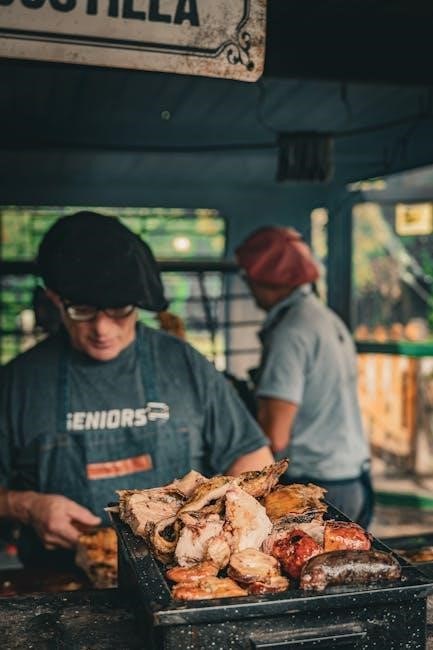
Ensure the grill is situated on a stable, non-combustible surface, away from flammable materials. Never leave a lit grill unattended. Be mindful of hot surfaces, particularly metal components, to prevent burns. Proper ventilation is crucial to avoid carbon monoxide buildup, so operate the grill outdoors only. Keep a fire extinguisher or water source nearby for emergencies.
Maintenance and Cleaning
Regular maintenance extends the life of your Argentine grill. After each use, allow the grill to cool completely before cleaning. Remove ash and embers, disposing of them safely in a metal container with a lid. Inspect the grilling surface (asado) for any buildup and scrape it clean with a metal brush.
For stainless steel grills, use a stainless steel cleaner to prevent rust and maintain shine. Check the crank mechanism for smooth operation and lubricate as needed. Firebricks may require occasional replacement if cracked or damaged. Proper care ensures years of enjoyable asados!