
Overview of “Teaching in the Savior’s Way”
“Teaching in the Savior’s Way”, available as a PDF and through Deseret Book, guides instructors to emulate Christ’s teaching methods.
It emphasizes Spirit-led instruction and gospel principles.
Resources like YouTube videos and online manuals enhance understanding, offering practical application for diverse learners and curriculum integration.
Purpose and Audience
“Teaching in the Savior’s Way”, readily accessible as a PDF and through retailers like Deseret Book, is meticulously designed to elevate the effectiveness of those involved in Gospel instruction. Its primary purpose is to shift the focus from simply delivering information to fostering genuine spiritual transformation in learners.
The manual aims to equip teachers – including parents, Primary leaders, youth advisors, and seminary/institute instructors – with principles and techniques mirroring those employed by the Savior Himself. It’s not merely a “how-to” guide, but a call to minister in the manner of Christ, prioritizing the Spirit and individual needs.
The intended audience is broad, encompassing anyone with a teaching responsibility within the Church. The manual’s principles are adaptable to various settings, from formal classroom environments to informal one-on-one discussions. Online resources and the PDF format ensure accessibility for a wide range of users, promoting consistent application of effective teaching methodologies.
Core Principles of the Manual
“Teaching in the Savior’s Way”, available as a PDF and through resources like Deseret Book, centers around several foundational principles. Paramount is the emphasis on Jesus Christ as the ultimate Teacher, urging instructors to emulate His love, patience, and understanding.
A core tenet is the importance of the Holy Spirit in the teaching and learning process. The manual stresses seeking and responding to spiritual guidance, allowing the Spirit to direct lessons and touch hearts. Understanding the doctrine of Christ is also crucial, ensuring teachings are firmly rooted in gospel truth.
Furthermore, the manual advocates for learner-centered teaching, prioritizing individual needs and fostering active participation. It promotes creating a spiritually prepared environment and utilizing effective questioning techniques. These principles, accessible through the PDF and supporting materials, collectively aim to transform teaching into a sacred, Spirit-led ministry.
Historical Context of the Manual’s Development
The development of “Teaching in the Savior’s Way” stemmed from a recognized need within The Church of Jesus Christ of Latter-day Saints to refine and elevate gospel teaching methodologies. While a precise date of initial conception isn’t readily available, the manual’s emergence reflects a growing emphasis on Christ-centered instruction.
The PDF version and associated resources, like those found on Deseret Book and platforms like YouTube, represent a culmination of pedagogical insights and prophetic guidance. It wasn’t created in isolation, but rather through careful study of the Savior’s teaching style and the principles found in scripture.
The manual’s release aimed to provide consistency and quality in gospel instruction across various settings – Sunday School, Young Women/Young Men, and adult classes. It’s a dynamic resource, continually refined based on feedback and evolving understanding of effective teaching practices, readily accessible in its digital PDF format.

Key Concepts & Teachings
“Teaching in the Savior’s Way”, as a PDF resource, centers on Christ, the Spirit, and doctrine. It promotes effective methods for sharing the gospel meaningfully.
Focus on Jesus Christ as the Center
“Teaching in the Savior’s Way,” readily available as a PDF, fundamentally emphasizes that all gospel teaching should radiate from and center upon Jesus Christ. This isn’t merely mentioning His name, but truly making Him the focal point of every lesson and interaction.
The manual encourages teachers to help learners feel Christ’s love and influence through the scriptures, His teachings, and His Atonement. It suggests framing lessons to demonstrate how Christ’s life and mission address the needs and challenges faced by individuals.
This approach involves inviting the Spirit to bear witness of Christ, fostering a personal connection with Him, and helping learners understand their relationship with the Savior. The PDF resource stresses that effective teaching isn’t about imparting information, but about drawing learners closer to Jesus Christ.
Ultimately, the goal is to help individuals not only know about Christ, but to follow Him and live according to His teachings, transforming their lives through His grace.
The Importance of the Spirit in Teaching
“Teaching in the Savior’s Way,” accessible as a PDF, profoundly stresses that the Holy Ghost is the ultimate teacher. The manual asserts that intellectual preparation is vital, but insufficient without the Spirit’s guidance. True teaching transcends simply delivering information; it’s about touching hearts and changing lives through divine power.
The PDF resource emphasizes creating a spiritually prepared environment – through personal righteousness, prayer, and a sincere desire to serve. Teachers are encouraged to invite the Spirit into their lessons by relying on scripture, sharing personal experiences, and fostering a reverent atmosphere.

Recognizing the Spirit’s promptings, both in preparation and during teaching, is crucial. This involves being sensitive to the needs of learners and adapting lessons accordingly. The manual highlights that the Spirit testifies of truth and helps learners understand and apply gospel principles in their lives.
Ultimately, the Spirit transforms teaching from a performance into a sacred experience, enabling lasting impact.
Understanding the Doctrine of Christ
“Teaching in the Savior’s Way,” readily available as a PDF, centers all doctrine around Jesus Christ. The manual emphasizes that understanding the Doctrine of Christ – encompassing faith, repentance, baptism, and receiving the Holy Ghost – is foundational for effective gospel teaching.
The PDF resource stresses that teachers must have a firm personal understanding of these principles before attempting to convey them to others. This isn’t merely academic knowledge, but a lived testimony. Teachers should connect doctrine to the Savior’s Atonement and its power in our lives.
The manual encourages teachers to present doctrine in a clear, concise, and relatable manner, avoiding complex jargon. Utilizing scripture, stories, and personal experiences helps learners grasp the profound truths of the gospel.
Furthermore, it highlights the importance of teaching doctrine in context, showing how each principle builds upon the others and leads to eternal life through Jesus Christ.
Principles of Effective Gospel Teaching
“Teaching in the Savior’s Way,” accessible as a PDF, outlines several key principles for impactful gospel instruction. Central to these is a focus on teaching as a calling, not simply a task, requiring spiritual preparation and a desire to serve.
The manual emphasizes the importance of loving learners and understanding their individual needs and circumstances. Effective teachers create a safe and welcoming environment where learners feel comfortable asking questions and sharing their thoughts.
The PDF resource stresses the necessity of preparing lessons thoughtfully, relying on the scriptures and the guidance of the Holy Ghost. Teachers should strive to invite participation and encourage learners to actively engage with the material.
Finally, the manual highlights the power of testimony in teaching, urging instructors to share their own sincere beliefs and experiences, while always pointing learners to Jesus Christ.

Practical Teaching Methods
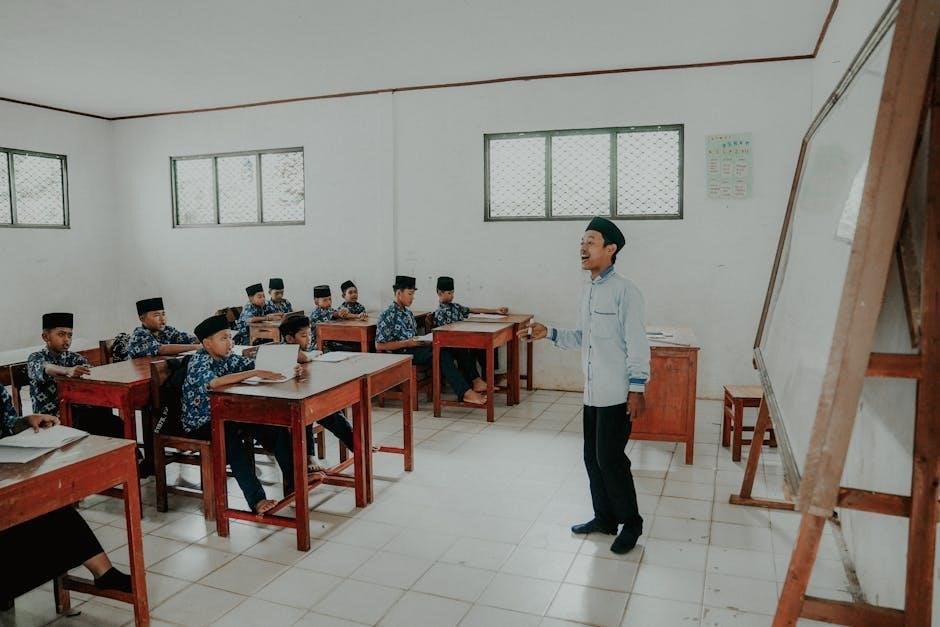
“Teaching in the Savior’s Way” PDF advocates for spiritually-focused methods. Utilize stories, questions, and learner participation to foster understanding and a connection to gospel principles.
Emaze presentations demonstrate effective techniques.
Creating a Spiritually Prepared Environment
“Teaching in the Savior’s Way”, as detailed in the PDF manual and supporting resources, underscores the paramount importance of establishing a spiritually receptive atmosphere before any teaching occurs. This isn’t merely about physical arrangement, but a deliberate cultivation of the Spirit through personal righteousness and sincere prayer.
Instructors are encouraged to prepare their own hearts, seeking guidance and clarity from the Holy Ghost. This personal preparation then extends to the learning environment itself. Consider the physical space – is it conducive to reverence and reflection? Beyond the physical, a teacher’s attitude is crucial.
Empathy, humility, and a genuine desire to help learners connect with the gospel are essential. The manual emphasizes creating a safe space where individuals feel comfortable sharing thoughts and questions without fear of judgment. This environment, bathed in the Spirit, allows for deeper understanding and lasting conversion, mirroring the Savior’s own teaching style.
Using Stories and Examples
“Teaching in the Savior’s Way”, as outlined in the PDF manual, highlights the powerful impact of narratives and relatable examples in gospel instruction. Jesus Christ Himself frequently employed parables – stories that illuminated profound truths in accessible ways. This method resonates deeply with learners, making abstract concepts more concrete and memorable.
The manual encourages teachers to move beyond simply presenting doctrine and instead weave it into compelling stories. These can be scriptural accounts, personal experiences, or contemporary examples that demonstrate gospel principles in action.
Effective stories aren’t merely entertaining; they evoke emotion, invite reflection, and prompt application. Teachers should carefully select stories that are relevant to their audience and clearly illustrate the desired learning outcome. Utilizing visuals, like those found on Deseret Book’s website, can further enhance the storytelling experience, fostering a deeper connection with the message.
Asking Effective Questions
“Teaching in the Savior’s Way”, detailed in the accessible PDF, emphasizes that questioning isn’t simply about assessing knowledge, but about fostering spiritual understanding. Following the Savior’s example, teachers should utilize questions to invite learners into a deeper exploration of gospel truths.
The manual advocates for a shift from primarily asking factual recall questions to employing open-ended inquiries that stimulate thought, encourage personal reflection, and promote application. Questions like “How does this principle apply to your life?” or “What feelings do you experience when considering this?” are far more impactful.
Effective questioning creates a learner-centered environment, encouraging participation and allowing individuals to construct their own meaning. Resources like those found on YouTube demonstrate how skillful questioning can unlock insights and strengthen testimonies. Remember to pause after asking a question, allowing sufficient time for thoughtful responses.
Encouraging Learner Participation
“Teaching in the Savior’s Way,” as outlined in the readily available PDF, stresses that genuine learning flourishes through active participation. The manual highlights that the Savior consistently involved those He taught, inviting them into the learning process rather than simply lecturing.
This principle translates into creating a classroom environment where learners feel safe to share thoughts, ask questions, and express their testimonies. Techniques include small group discussions, paired activities, and inviting learners to teach one another. Utilizing resources like those showcased on Deseret Book’s website can inspire interactive lesson planning.
The goal isn’t merely to fill minds with information, but to foster a community of learners actively seeking truth together. Remember, participation isn’t about forcing everyone to speak, but about creating opportunities for all to contribute in ways that feel comfortable and meaningful.

Adapting to Different Learners
“Teaching in the Savior’s Way” PDF emphasizes tailoring lessons to diverse needs – children, youth, and adults – recognizing varied learning styles.
Effective teaching requires sensitivity and flexibility, mirroring the Savior’s approach to all individuals.
Teaching Children
“Teaching in the Savior’s Way”, as detailed in the PDF manual and supplemental resources, stresses a unique approach when instructing children. It advocates for simplicity, utilizing stories and visual aids to capture their attention and foster understanding. The manual suggests keeping lessons brief and interactive, incorporating games and activities that reinforce gospel principles.
Emphasis is placed on creating a loving and supportive environment where children feel comfortable asking questions and sharing their thoughts. Teachers are encouraged to use positive reinforcement and to focus on the child’s individual progress. The manual highlights the importance of connecting gospel teachings to children’s everyday lives, making the lessons relatable and meaningful.
Furthermore, it suggests adapting teaching methods to accommodate different learning styles, recognizing that some children learn best through visual, auditory, or kinesthetic experiences. Ultimately, the goal is to nurture a love for learning and a testimony of Jesus Christ in the hearts of young learners.
Teaching Youth
“Teaching in the Savior’s Way”, accessible as a PDF and through resources like Deseret Book, outlines specific strategies for effectively teaching youth. Recognizing their developing intellect and increasing independence, the manual advocates for a more discussion-based approach. It encourages teachers to facilitate critical thinking and allow youth to explore gospel principles in depth.
The manual emphasizes the importance of relating gospel teachings to the challenges and experiences faced by youth today. Utilizing real-life examples and current events can make lessons more relevant and engaging. Teachers are encouraged to create a safe space where youth feel comfortable sharing their doubts and questions without judgment.
Furthermore, the PDF stresses the power of peer learning and encourages teachers to incorporate activities that promote collaboration and leadership skills. Testimony is presented not as imposition, but as a natural outcome of sincere seeking and understanding. The ultimate aim is to help youth develop a strong personal relationship with Jesus Christ.
Teaching Adults
“Teaching in the Savior’s Way”, readily available as a PDF and through platforms like Deseret Book, provides guidance for instructing adult learners. This manual recognizes adults bring a wealth of life experience and established beliefs to the learning environment. Therefore, teaching methods should respect their autonomy and encourage active participation.
The manual advocates for a learner-centered approach, focusing on facilitating discussion and encouraging adults to connect gospel principles to their personal lives. It emphasizes the importance of creating a safe and respectful atmosphere where adults feel comfortable sharing their insights and perspectives. Teachers are encouraged to act as facilitators rather than lecturers.
Utilizing the principles outlined in the PDF, teachers can help adults deepen their understanding of the gospel and strengthen their testimonies. The manual suggests incorporating diverse learning activities, such as case studies and group projects, to cater to different learning styles. Ultimately, the goal is to empower adults to become lifelong learners and disciples of Jesus Christ.
Addressing Diverse Learning Styles
“Teaching in the Savior’s Way”, accessible as a PDF and through resources like Deseret Book, underscores the importance of recognizing varied learning styles among individuals; The manual advocates for a flexible approach, moving beyond a “one-size-fits-all” methodology to accommodate visual, auditory, and kinesthetic learners.
For visual learners, the manual suggests incorporating visual aids – images, charts, and videos – readily available online and within the PDF itself. Auditory learners benefit from discussions, storytelling, and opportunities to verbalize their understanding. Kinesthetic learners thrive through hands-on activities, role-playing, and interactive exercises.
Teachers are encouraged to blend these approaches, creating a multi-sensory learning experience. Utilizing technology, as highlighted in supplemental materials, can further enhance engagement. By adapting teaching methods to meet individual needs, as guided by the principles in the PDF, educators can maximize learning and foster a deeper connection to the gospel for all.

Specific Teaching Techniques
“Teaching in the Savior’s Way” PDF emphasizes utilizing visual aids, technology, and personal testimony. These techniques, found on Deseret Book and YouTube,
enhance gospel understanding.
Using Visual Aids
“Teaching in the Savior’s Way”, accessible as a PDF and through resources like Deseret Book, strongly advocates for the strategic incorporation of visual aids into gospel teaching. These aren’t merely decorative elements, but powerful tools to enhance comprehension and retention, mirroring how the Savior often used parables and relatable imagery.
The manual suggests utilizing images, charts, maps, and even short video clips – many examples are available on platforms like YouTube – to illustrate complex doctrines and stories. Visuals can help learners connect with the material on a deeper, more personal level, particularly those who are visual learners.
Effective visual aids should be relevant, clear, and thoughtfully integrated into the lesson, not distracting from the core message. The PDF provides guidance on selecting appropriate visuals and using them in a way that invites the Spirit and fosters meaningful discussion. Consider the resources available online, including presentations on emaze, for inspiration.
Incorporating Technology
“Teaching in the Savior’s Way”, readily available as a PDF and through platforms like Deseret Book, acknowledges the increasing role of technology in modern learning environments. While emphasizing the importance of the Spirit and personal connection, the manual doesn’t shy away from utilizing digital tools to enhance gospel instruction.
Technology, when used purposefully, can broaden access to resources, facilitate interactive learning, and cater to diverse learning styles. The manual suggests exploring online resources, websites, and even platforms like YouTube for supplementary materials and engaging content.
Presentations created on sites like emaze can be valuable, and digital versions of the manual itself (found on Yumpu) offer convenient access. However, the core principle remains: technology should support teaching, not replace the teacher or the Spirit. It’s a tool to help learners connect with the gospel, not a distraction from it.

The Role of Testimony in Teaching
“Teaching in the Savior’s Way”, accessible as a PDF and through resources like Deseret Book, profoundly emphasizes that effective gospel teaching stems from a sincere and unwavering testimony. It’s not merely about conveying information, but about sharing truth with conviction and a desire to help others feel the Spirit;
The manual stresses that a teacher’s personal testimony is the most powerful teaching aid. When teachers live the principles they teach and radiate faith, learners are more likely to be touched and inspired. This authenticity creates a spiritually prepared environment conducive to learning.
Sharing personal experiences, while appropriate and relevant, should always point to the Savior and His gospel. The goal isn’t self-promotion, but to invite learners to seek their own spiritual witness. A strong testimony isn’t just felt – it’s shared with humility and love, fostering a deeper connection to the gospel message.
Applying the Principles to Specific Gospel Topics

“Teaching in the Savior’s Way,” readily available as a PDF and through platforms like Deseret Book, doesn’t offer a rigid script, but rather adaptable principles. These principles can be seamlessly integrated when teaching any gospel topic, from the Plan of Salvation to temple ordinances.
The manual encourages teachers to center each lesson on Jesus Christ, even when the topic seems distant from His direct involvement. For example, when discussing the Creation, emphasize God’s love for His children as demonstrated through providing a beautiful earth.
Utilizing stories, examples, and inviting the Spirit are universally applicable. When teaching about repentance, share relatable examples and encourage learners to ponder their own experiences. Remember to ask thought-provoking questions that invite personal reflection and spiritual discovery, tailoring the approach to the specific needs of the learners.

Resources and Support
“Teaching in the Savior’s Way” PDF, Deseret Book, and online platforms like YouTube offer support. Yumpu provides the entire manual digitally for easy access.
Supplemental materials and study guides further enhance understanding and practical application of its principles.
Deseret Book Availability
Deseret Book serves as a primary source for acquiring “Teaching in the Savior’s Way.” The manual is readily available for purchase through their website, deseretbook.com, in both physical and ebook formats. This accessibility ensures that instructors and leaders can easily obtain the resource for personal study and implementation within their callings.
The Deseret Book listing provides detailed product information, including cover images and descriptions outlining the manual’s focus on Christ-centered teaching. Customers can often find reviews and related products, enhancing their understanding of the manual’s value. Furthermore, Deseret Book frequently offers promotions and shipping options, making the resource even more attainable.
Beyond the standard purchase, Deseret Book stores often host training sessions or workshops related to the principles outlined in the manual, providing a community-based learning experience. The availability of the PDF version through their ebook platform allows for convenient digital access on various devices.
Online Resources and Websites
Numerous online platforms offer supplementary materials related to “Teaching in the Savior’s Way.” YouTube hosts videos discussing gospel teaching principles, complementing the manual’s content. Websites like lds365.com provide articles and insights into effective teaching methodologies.
Yumpu.com (link to the entire manual) offers a digital version of the manual itself, allowing for easy access and searching. Emaze (link to a presentation) features presentations based on the manual’s teachings, providing visual aids and structured learning experiences.
Studylibid (image link) provides access to related images and study materials. These resources collectively enhance understanding and application of the principles found within “Teaching in the Savior’s Way,” fostering a more impactful teaching experience.
Study Guides and Supplemental Materials
While a dedicated, officially published study guide for “Teaching in the Savior’s Way” isn’t prominently featured, several resources function as effective supplemental materials. The manual itself, readily available as a PDF on platforms like Yumpu.com, serves as the primary study tool.
Online presentations, such as those found on Emaze, distill key concepts into digestible formats, aiding comprehension and retention. Furthermore, articles and discussions on sites like lds365.com offer practical applications and insights into implementing the manual’s principles.
Utilizing the manual in conjunction with personal scripture study and prayerful reflection creates a powerful learning experience. Images and related content found on sites like Studylibid can also serve as visual aids for deeper engagement with the material, enhancing understanding and application in teaching settings.
Utilizing the Manual in a Curriculum
“Teaching in the Savior’s Way,” accessible as a PDF, is ideally integrated into broader teaching and leadership training curricula. Its principles aren’t meant for isolated study, but for practical application in various settings – Sunday School, Young Women/Men, Relief Society, and Elder’s Quorum lessons.
The manual’s focus on Christ-centered teaching aligns seamlessly with existing gospel curriculum materials. Leaders can use it to train teachers to move beyond rote memorization and towards Spirit-led discussions.
Consider incorporating sections of the PDF into teacher development workshops, focusing on creating spiritually prepared environments and asking effective questions. Resources like those from Deseret Book can supplement these workshops.
The manual’s adaptability allows for customization to specific age groups and learning needs, enhancing the overall effectiveness of any gospel teaching program.